
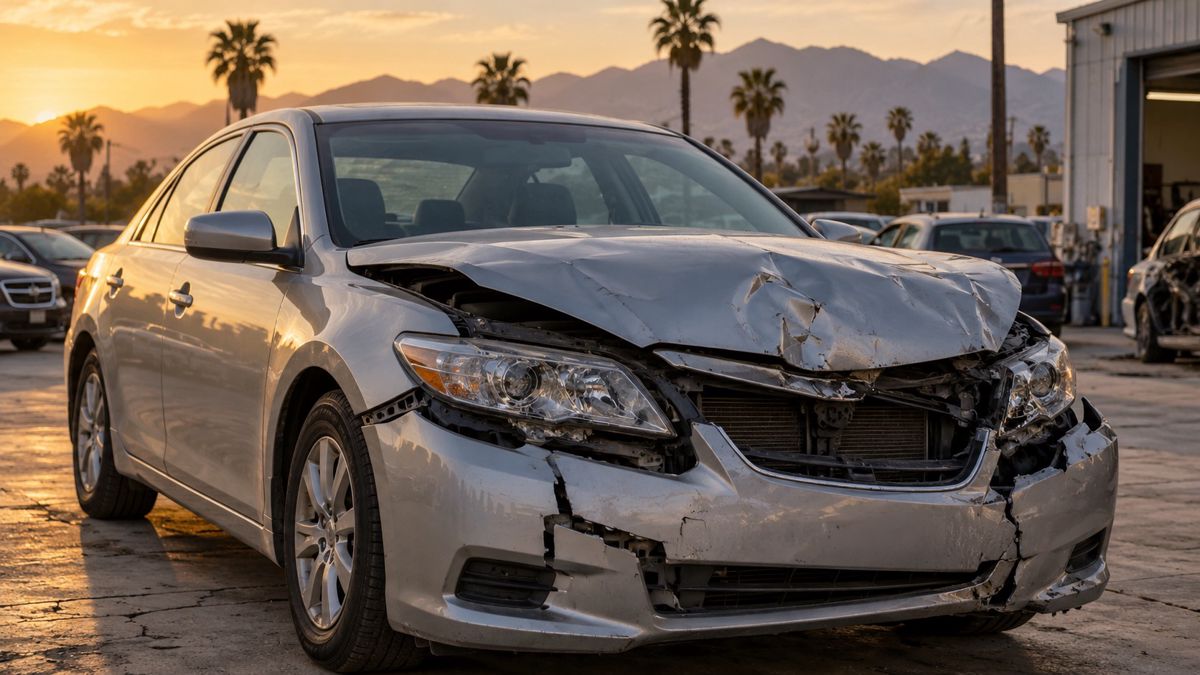
The honest answer is that it depends on the damage, and a fair price only comes from a shop looking at your vehicle in person. As a rough guide, a small cosmetic repair can run a few hundred dollars, a typical moderate collision repair often lands in the low thousands, and a heavy impact with structural work and new parts can climb well past that. Those are broad market figures, not quotes from this business. Below we explain what drives the number so you can read an estimate with confidence.
What is the rough cost of collision repair?
Repair costs vary by vehicle, parts and labor rates, so treat these as rough guides only.
- Minor cosmetic damage: scuffs, small dents and light scratches often fall in the range of a few hundred dollars, sometimes a little more.
- Single panel repair and repaint: commonly a few hundred dollars up to around $1,000 or more per panel, depending on the work and the paint.
- Bumper cover repair or replacement with paint: often somewhere around $500 to $1,500, and higher if sensors are involved.
- Moderate collision damage: several panels, some parts and paint often come to about $1,500 to $5,000.
- Major damage with structural repair: frame pulling, airbag components and many new parts can run well above $5,000.
Your actual figure may be lower or higher. Treat these as a way to judge whether an estimate is in the right neighborhood, not as a price list.
What makes the price go up or down?
Four things move the total more than anything else: the number of panels, the labor, the parts and the paint.
Number of panels and structural damage
A scrape on one door is a small job. Damage across the front end is a big one. If the structure moved, the vehicle needs to be measured and pulled back, which adds labor. A bent frame or unibody is one of the biggest cost drivers.
Parts
New original parts usually cost the most. Aftermarket and recycled parts can reduce the bill, but fit and quality vary. Your insurer may specify which type it will pay for, and the estimate should say so. Parts for older or less common vehicles can be harder to find and may take longer to arrive.
Paint
Paint is a large share of most repairs. Metallic and pearl colors cost more to match than plain solid colors. New panels also need to be blended into the neighboring ones so the color looks even in the sun.
Technology
Many newer vehicles carry cameras, radar and parking sensors in the bumpers and mirrors. After a repair, these may need a reset or calibration, and that adds to cost and time.
What do San Bernardino drivers run into?
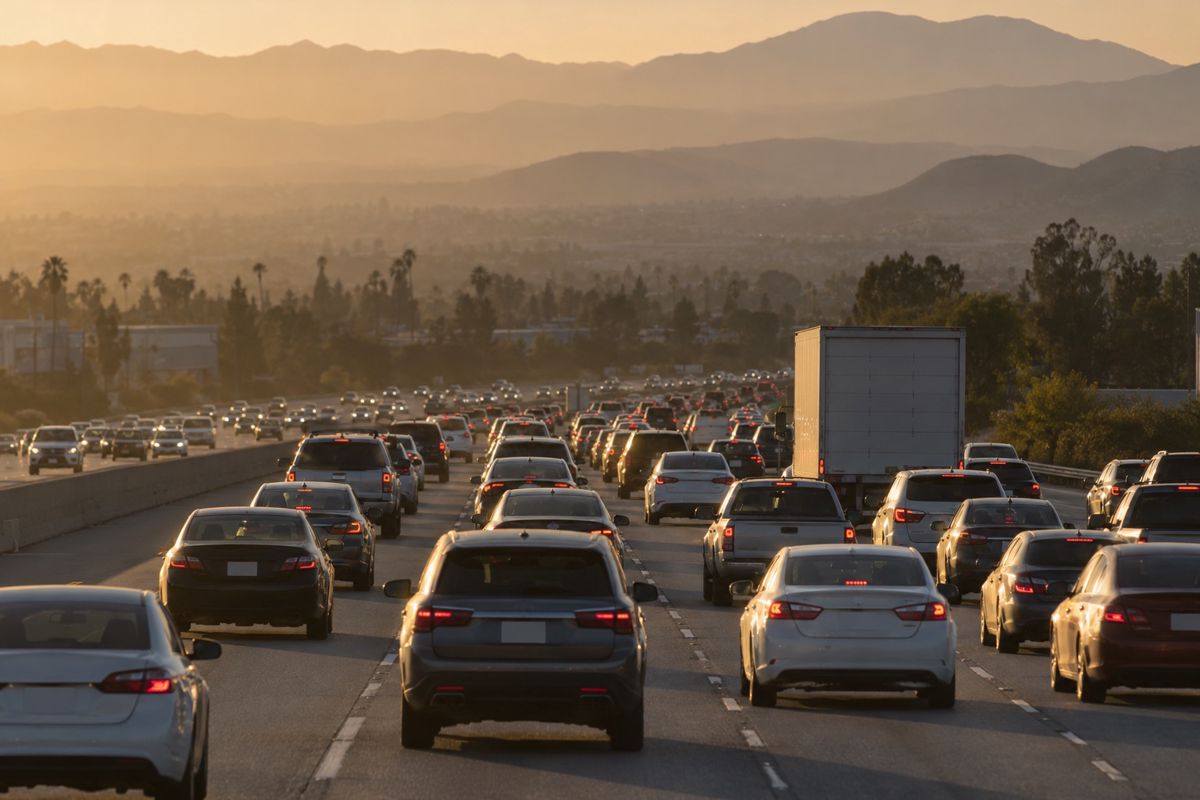
The Inland Empire has its own wear and tear on vehicles. Heavy commuter and freight traffic on the I-10, I-215 and SR-210 produces rear-end and lane-change damage. Slow traffic after a lane closure can set off chain reactions that damage both ends of a vehicle.
The sun matters for the paint side of the bill. Long, hot summers wear out clear coat, especially on older cars and work trucks. If the paint on a panel near a repair is already faded or peeling, a good match may require refinishing more of the panel, or the neighboring panels too. Santa Ana winds blow dust and debris that scratch finishes and chip bumpers.
Many vehicles on local roads are older. That can mean harder-to-find parts and, sometimes, a repair bill that is closer to the value of the vehicle than the owner expects.
How does insurance change what you pay?
If you file a claim, you generally pay your deductible and the insurer pays the rest of the approved repair. If another driver is at fault, their insurer may pay instead. A few points are worth knowing:
- In California, you generally have the right to choose the repair shop. An insurer can suggest one, but it is usually your decision.
- The adjuster's first estimate often misses hidden damage. Shops commonly send a supplement to the insurer when they find more.
- For small repairs, the total can be close to your deductible, which can make a claim not worth filing. Ask the shop for an estimate first.
- If repairs approach the value of the vehicle, the insurer may declare a total loss. That tends to come sooner with older vehicles.
The page on insurance claims and estimates goes through how this works step by step.
How can you check an estimate is fair?
You do not need to be a mechanic to read an estimate. Good ones have the same traits.
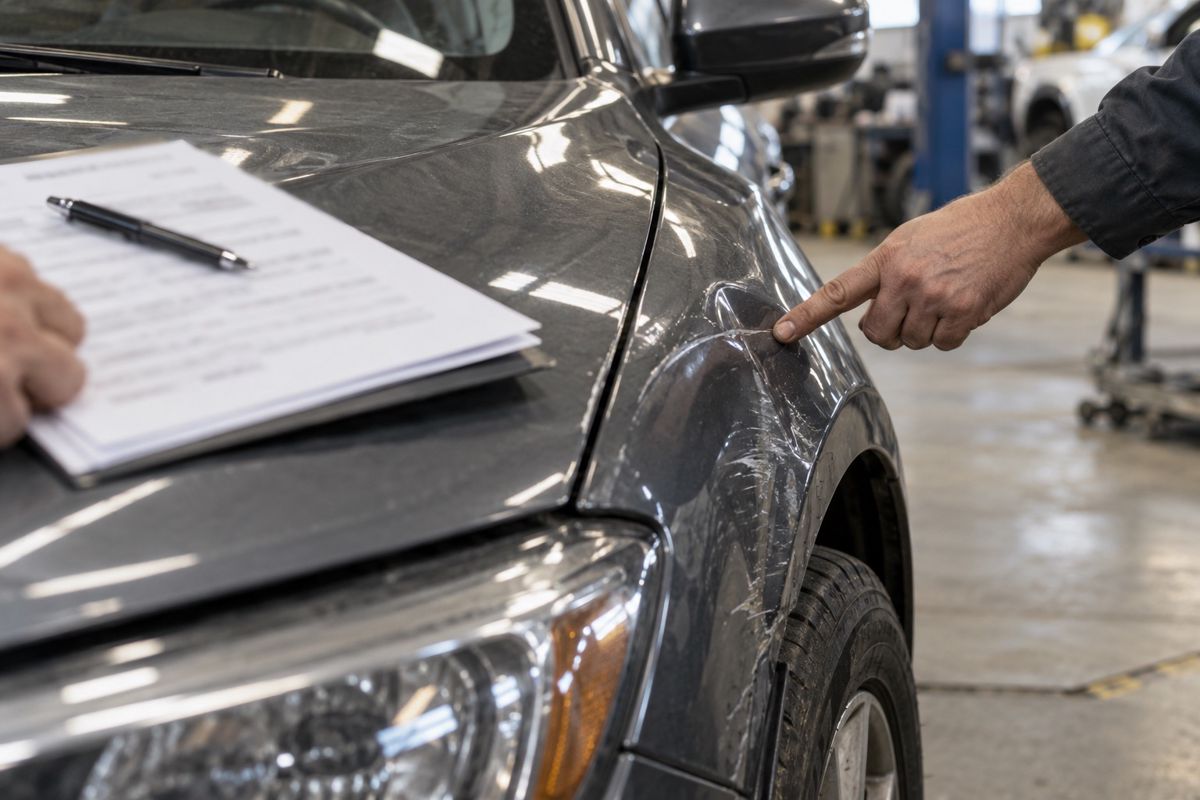
- It is in writing and itemized by part, labor and paint. In California, you are generally entitled to a written estimate before repair work begins.
- It names the parts type: new original, aftermarket or recycled.
- It explains what could change, such as hidden damage, and says the shop will call before adding costs.
- It covers sensors and calibration if your vehicle has driver-assist features.
- It comes from a shop you can check. As advice, look for registration with the California Bureau of Automotive Repair and ask to see it.
It is reasonable to get a second opinion on a large repair. If two estimates differ a lot, ask each shop to explain the gap line by line. Very low prices can mean steps are being skipped, such as skipping a measurement or blending paint.
What should you do in the first few days after a crash?
Make sure everyone is safe, and move the vehicle out of traffic if you can. Take photos of the damage, the scene and the other vehicle. Exchange details and report the claim to your insurer promptly. Do not agree to a repair on the spot, and do not feel pressured to choose a shop right away.
If the car looks drivable, be careful. Bent suspension parts, loose panels and warning lights are signs to have it towed instead. Waiting too long can let rust start on bare metal, and a damaged bumper or light can become a hazard on the freeway.
Where should you start?
Start with a written estimate from a shop that looks at the vehicle in person, then compare it with your insurer's figures. For crash damage, our page on collision repair in San Bernardino explains what the work involves and what to ask. Send us a few photos or bring the vehicle in, and we will walk you through the estimate in plain language.